- English
- Español
- Português
- русский
- Français
- 日本語
- Deutsch
- tiếng Việt
- Italiano
- Nederlands
- ภาษาไทย
- Polski
- 한국어
- Svenska
- magyar
- Malay
- বাংলা ভাষার
- Dansk
- Suomi
- हिन्दी
- Pilipino
- Türkçe
- Gaeilge
- العربية
- Indonesia
- Norsk
- تمل
- český
- ελληνικά
- український
- Javanese
- فارسی
- தமிழ்
- తెలుగు
- नेपाली
- Burmese
- български
- ລາວ
- Latine
- Қазақша
- Euskal
- Azərbaycan
- Slovenský jazyk
- Македонски
- Lietuvos
- Eesti Keel
- Română
- Slovenski
- मराठी
- Srpski језик

Home
>
Products > Steel Pipe Tower > Monopole Steel Pipe Tower > Monopole Transmission Line single Steel Tube Tower
Products
- Angle Steel Tower
- Electric Transmission Angle Steel Tower
- Communication Angle Steel Tower
- Monitoring Angle Steel Tower
- 220kv Transmission Line Electric Angle Steel Tower
- 110kv Transmission Line Electric Angle Steel Tower
- 330kv Transmission Line Electric Angle Steel Tower
- 500kv Transmisson Line Angle Steel Tower
- 66kv Angle Steel Tower
- 66KV Angle Steel Electric Power Tower
- Communication Tower
- Steel Pipe Tower
- Transmission Line Steel Pipe Tower
- Single Steel Pipe Tower
- Telecommunication Steel Pipe Tower
- Monopole Steel Pipe Tower
- 3 Leg Steel Tube Pipe Tower
- 220KV Steel Pipe Tower
- 110KV Steel Pipe Tower
- Lightning Steel Pipe Tower
- 500KV Steel Pipe Tower
- 66KV Steel Pipe Tower
- 330 KV Steel Pipe Tower
- Telecommunication Single Tubular Tower
- 10KV Steel Pipe Tower
- 10KV SIngle Pipe Tower
- 800KV Steel Pipe Tower
- Single Pipe Tower
- 132KV Steel Pipe Electric Power Tower
- 10KV-220KV Steel Pipe Electric Power Tower
- 4 Leg Telecommunication Microwave Tower
- High Voltage Communication Tower
- High Voltage Tesnsion Power Tower
- Single Tubular Monopole Tower
- Substation Steel Structure
- Angle Bar Tower
- 750KV Angle Steel Transmission Line Tower
- 10KV 33KV Transmission Line Tower
- 330KV Angle Steel Transmission Line Tower
- Tesioning Electric Transmission Tower
- 1000KV Electric Angle Steel Tower
- Lightning Tower
- Training Tower
- WiFi Communication Tower
- Power Line Tower
- Tangent Suspension Tower
- Terminal Tower
- Tension Steel Tower
- Single Monopole Tower
- Suspension Angle Steel Line Tower
- Angular Steel Electric Tower
- High Voltage Tower
- 66kv 120kv 220kv Steel Tower
- Transmission Electric Line Steel Lattice Tower


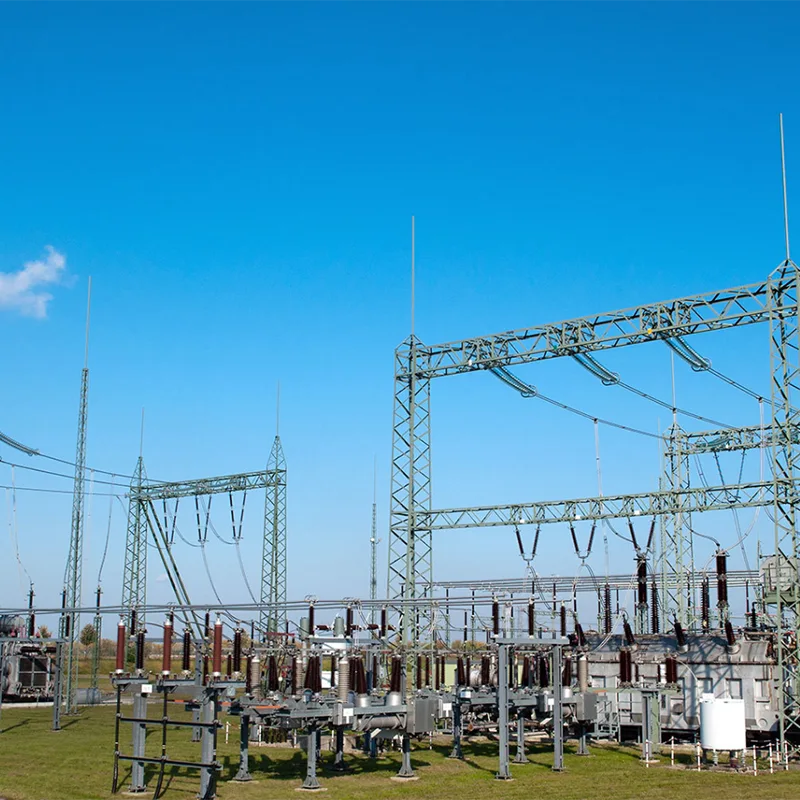
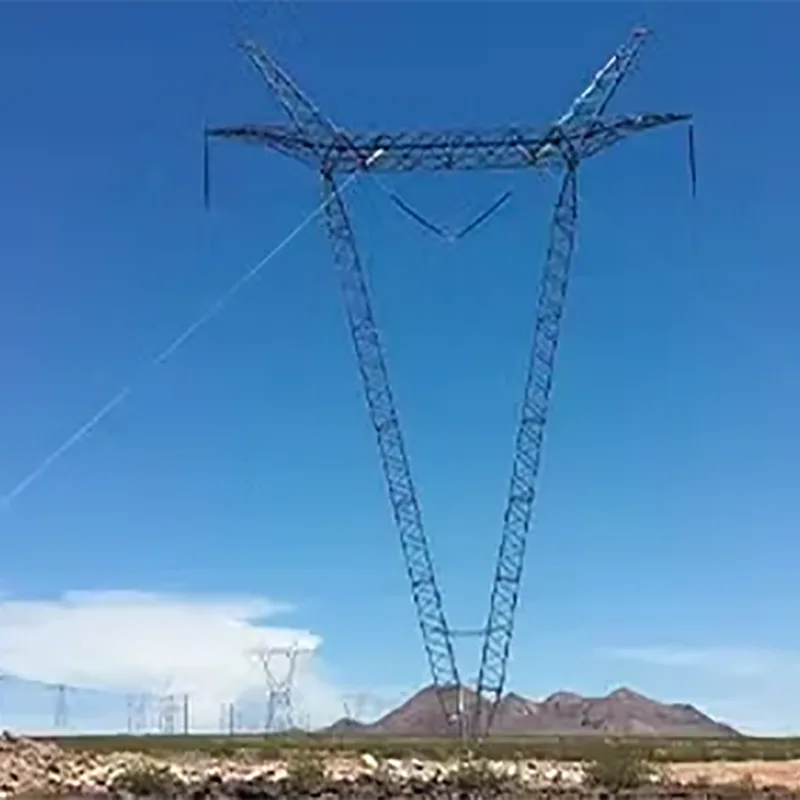
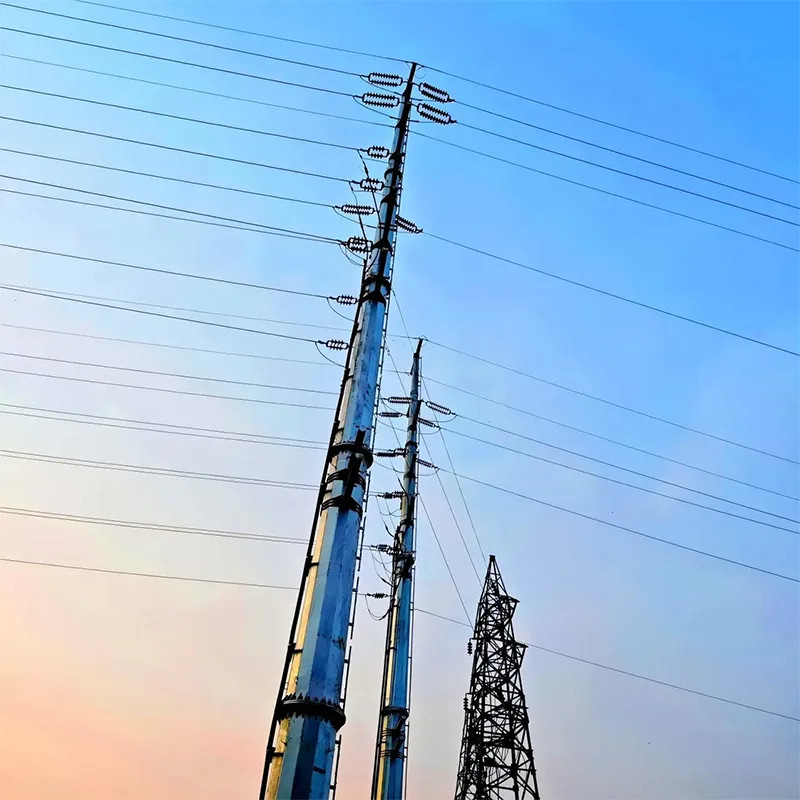
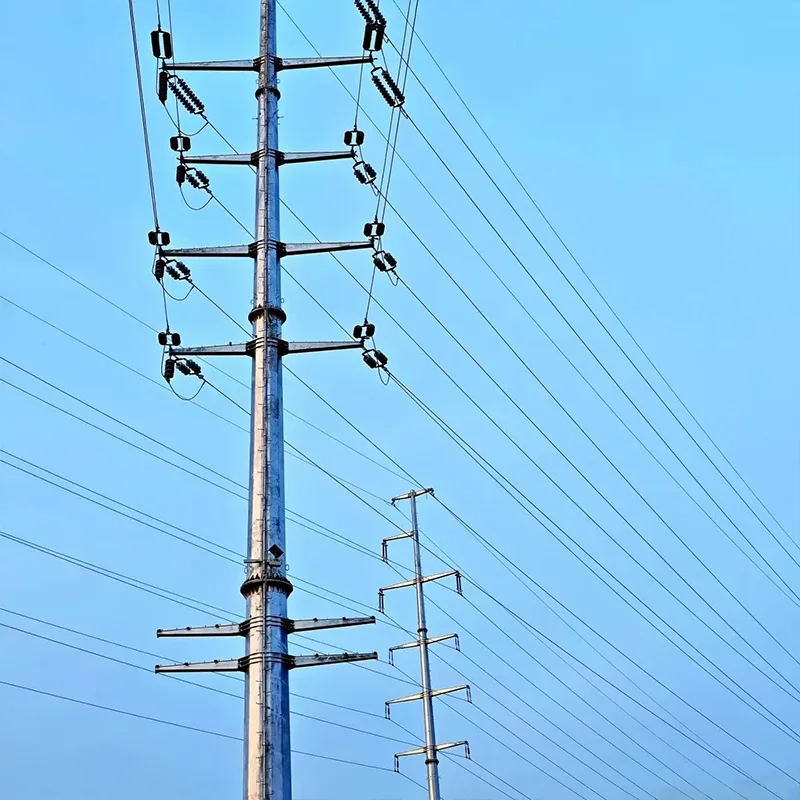
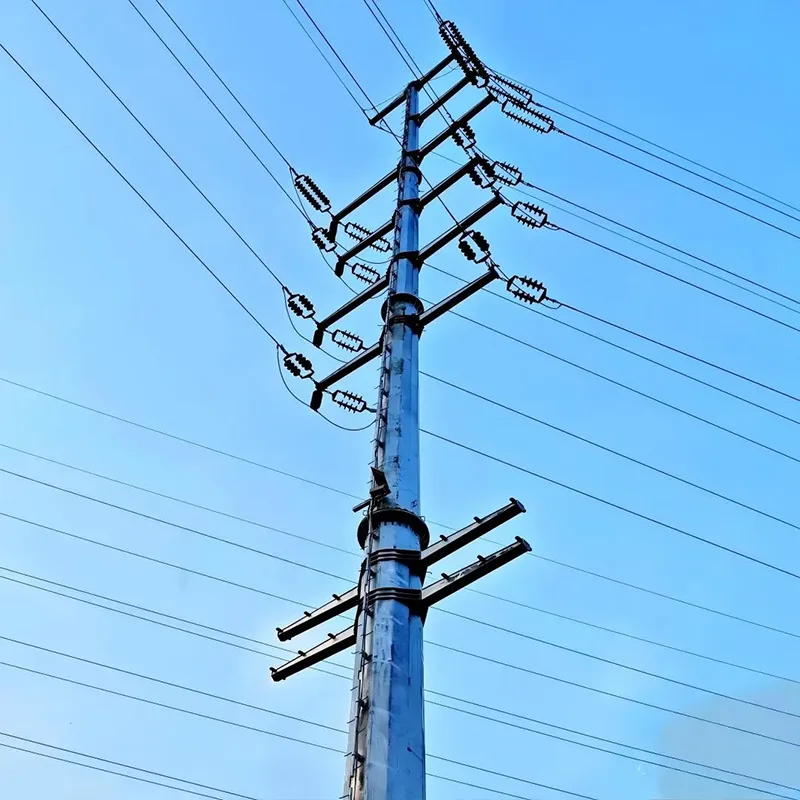
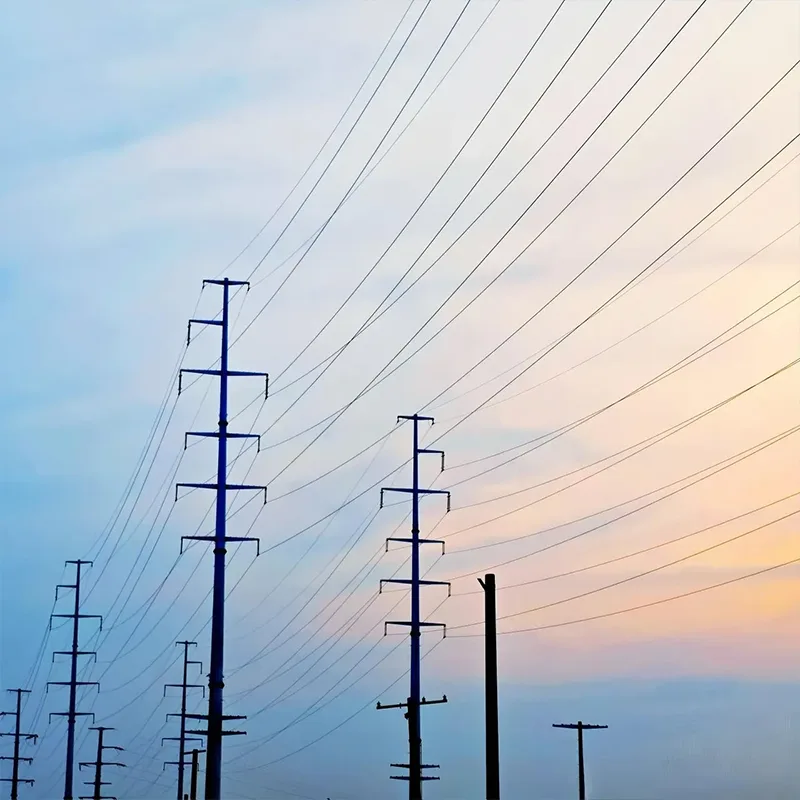
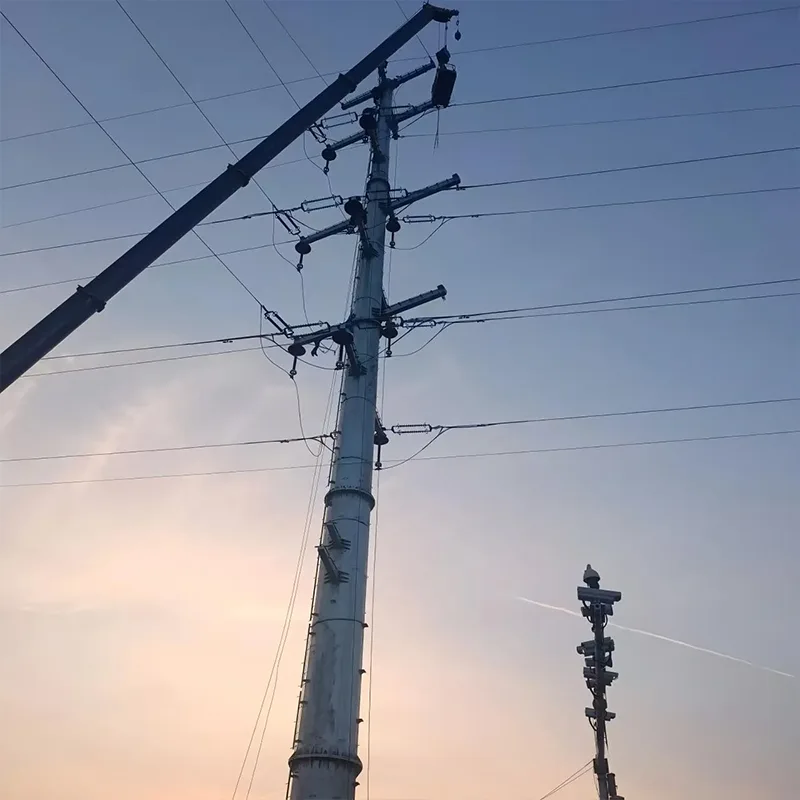
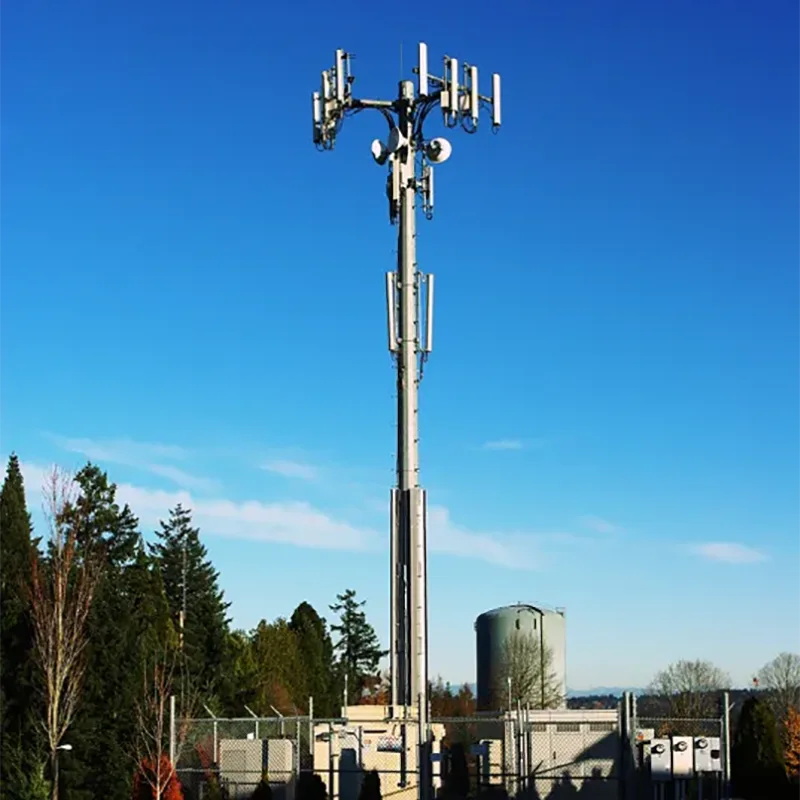
Monopole Transmission Line single Steel Tube Tower
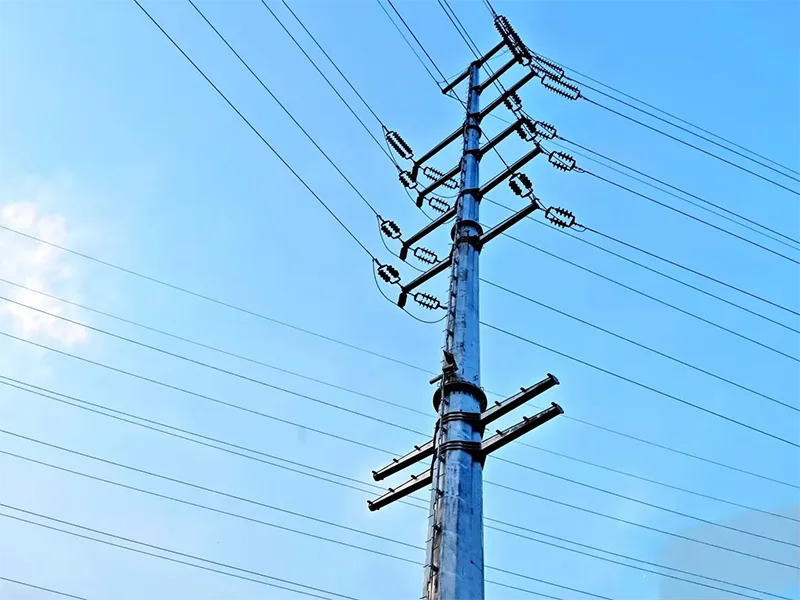
Mao Tong factory's high quality monopole transmission line single steel tube tower is supported by a single tubular pole and is used to fix the antenna or power line. Unlike lattice structure of traditional transmission towers, single pole steel tube towers have a vertical design. Their smaller footprint and aesthetically pleasing design make them more suitable for use in densely populated areas than other options such as grid towers.
Send Inquiry
Product Description
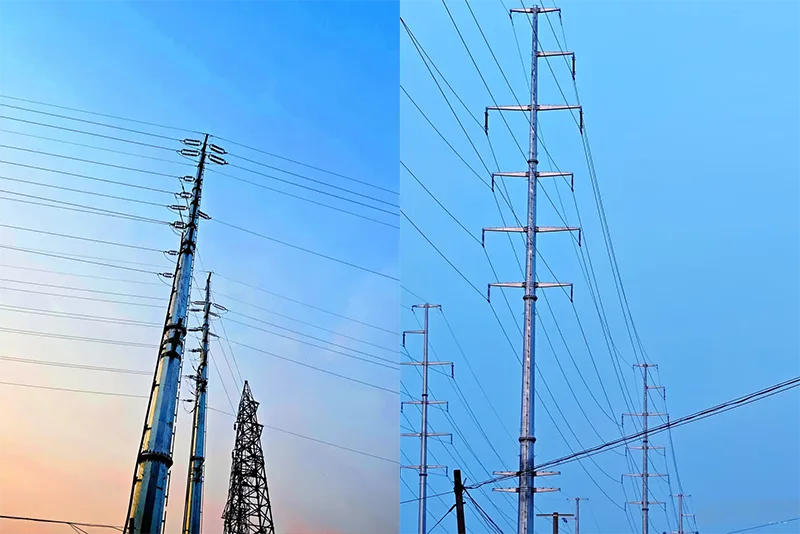
As a professional tower manufacturer and supplier in China, Mao Tong would like to provide you chaep but high quality monopole transmission line single steel tube tower, which is mainly made of steel tubes, which are usually polygonal conical steel tubes, such as octagonal, dodecagonal and hexagonal ones. It features an attractive and concise appearance, a small floor area, and good environmental coordination in urban areas. Additionally, the monopole transmission line single steel tube tower has low wind resistance, relatively small steel consumption, and its cost is usually lower than that of angle steel towers. Moreover, its transportation length is not limited.
This type of tower is widely used in urban power grids, expressways, and areas with high landscape requirements, and monopole transmission line single steel tube tower is common for voltage levels ranging from 10 kV to 500 kV. Scientific research has confirmed that the electric and magnetic fields generated by the tower during operation have no substantial impact on human health within a normal safe distance. Looking to the future, this type of tower will develop towards more environmentally friendly, intelligent and modular directions, which can better meet the growing energy demand while reducing the impact on the ecological environment.
Get A Quote Now
Specification
|
Tower type |
Self-supporting communication monopole steeltube tower |
|
Raw Material |
Q255B/Q355B/Q420B |
|
Place of Origin |
Qingdao, China |
|
Surface |
Hot dip galvanized fluorocarbon spraying |
|
Height range |
15m~100m or customized |
|
Shape and size |
Customizable |
|
Rated Voltage |
10kV-500kV |
|
Application |
Electric Power Transmission |
Get A Quote Now
How Much Do You Know About Monopole Steel Tube Tower?
The monopole transmission line single steel tube tower is a core component of the power transmission system. It undertakes the crucial task of safely and efficiently transmitting electricity generated by power plants to residential and industrial users. Its tall structure is scientifically designed to keep transmission lines at a safe distance from the ground, avoiding short circuits caused by contact with trees, buildings and other obstacles. Meanwhile, the elevated structure helps transmission lines dissipate heat more effectively, thereby reducing energy loss during power transmission.
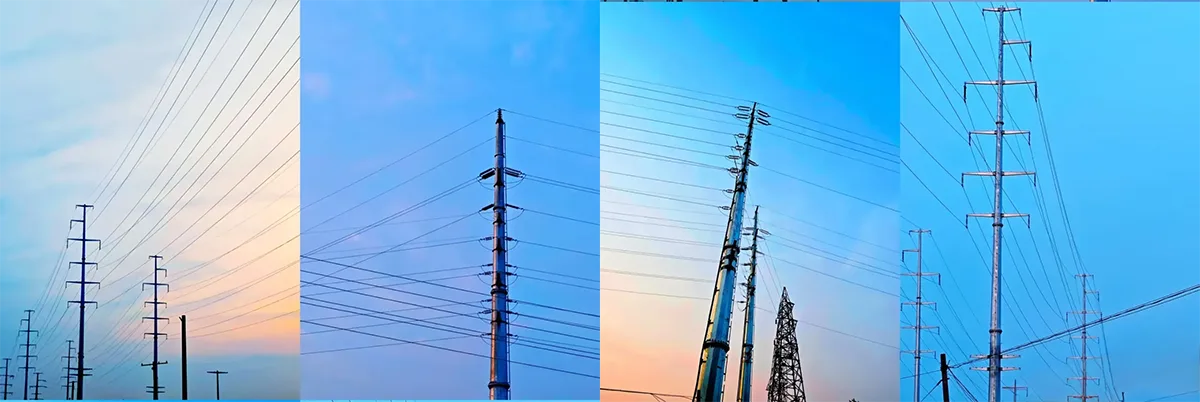
This monopole transmission line single steel tube tower boasts excellent structural stability and environmental adaptability. Made mainly of steel, its integrated single steel tube structure, combined with reasonable stress design, endows it with strong wind resistance and snow load capacity. The steel material undergoes professional anti-corrosion treatment, which can effectively resist the erosion of harsh environments such as rain, snow and humidity, preventing structural damage caused by ice and snow accumulation. Under normal circumstances, its service life can exceed 50 years, and regular inspection, cleaning and maintenance can further extend its durable service cycle.
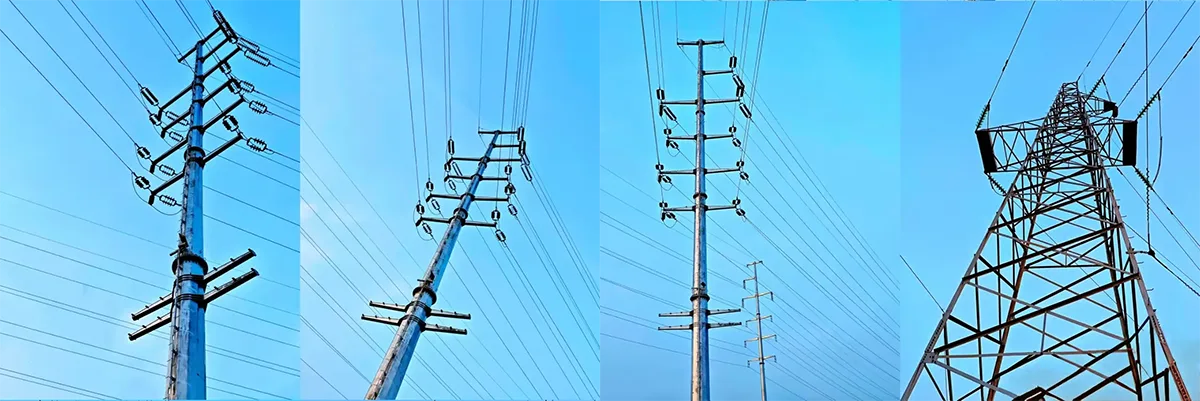
The monopole transmission line single steel tube tower is widely applicable to various voltage levels such as 10kV, 11kV, 33kV, 35kV, 66kV, 110kV, 132kV, 220kV, 330kV and 500kV, and the design standards of the tower body and insulation measures will be upgraded accordingly with the increase of voltage. Scientific research has confirmed that the electric and magnetic fields generated by the tower during operation have no substantial impact on human health within a normal safe distance. Looking to the future, this type of tower will develop towards more environmentally friendly, intelligent and modular directions. The monopole transmission line single steel tube tower can better meet the growing energy demand while reducing the impact on the ecological environment.
Hot Tags: Monopole Transmission Line single Steel Tube Tower, Manufacturers, Suppliers, Factory, China, Wholesale, Cheap, Discount, Quality, Made In China, New Design
Related Category
Transmission Line Steel Pipe Tower
Single Steel Pipe Tower
Telecommunication Steel Pipe Tower
Monopole Steel Pipe Tower
3 Leg Steel Tube Pipe Tower
220KV Steel Pipe Tower
110KV Steel Pipe Tower
Lightning Steel Pipe Tower
500KV Steel Pipe Tower
66KV Steel Pipe Tower
330 KV Steel Pipe Tower
Telecommunication Single Tubular Tower
10KV Steel Pipe Tower
10KV SIngle Pipe Tower
800KV Steel Pipe Tower
Single Pipe Tower
132KV Steel Pipe Electric Power Tower
10KV-220KV Steel Pipe Electric Power Tower
4 Leg Telecommunication Microwave Tower
High Voltage Communication Tower
High Voltage Tesnsion Power Tower
Single Tubular Monopole Tower
Send Inquiry
Please feel free to give your inquiry in the form below. We will reply you in 24 hours.