- English
- Español
- Português
- русский
- Français
- 日本語
- Deutsch
- tiếng Việt
- Italiano
- Nederlands
- ภาษาไทย
- Polski
- 한국어
- Svenska
- magyar
- Malay
- বাংলা ভাষার
- Dansk
- Suomi
- हिन्दी
- Pilipino
- Türkçe
- Gaeilge
- العربية
- Indonesia
- Norsk
- تمل
- český
- ελληνικά
- український
- Javanese
- فارسی
- தமிழ்
- తెలుగు
- नेपाली
- Burmese
- български
- ລາວ
- Latine
- Қазақша
- Euskal
- Azərbaycan
- Slovenský jazyk
- Македонски
- Lietuvos
- Eesti Keel
- Română
- Slovenski
- मराठी
- Srpski језик

What Do You Know About Power Transmission Towers?
You must have seen those tall metal tower structures all over the land, they play an irreplaceable role in the power grid. These towers carry electricity generated by power plants safely and efficiently to every household, powering our daily lives nonstop.
All transmission towers built by Maotong stand firm against strong winds and heavy ice snow loads. The frame adopts stable triangular and quadrilateral structures for excellent wind resistance.
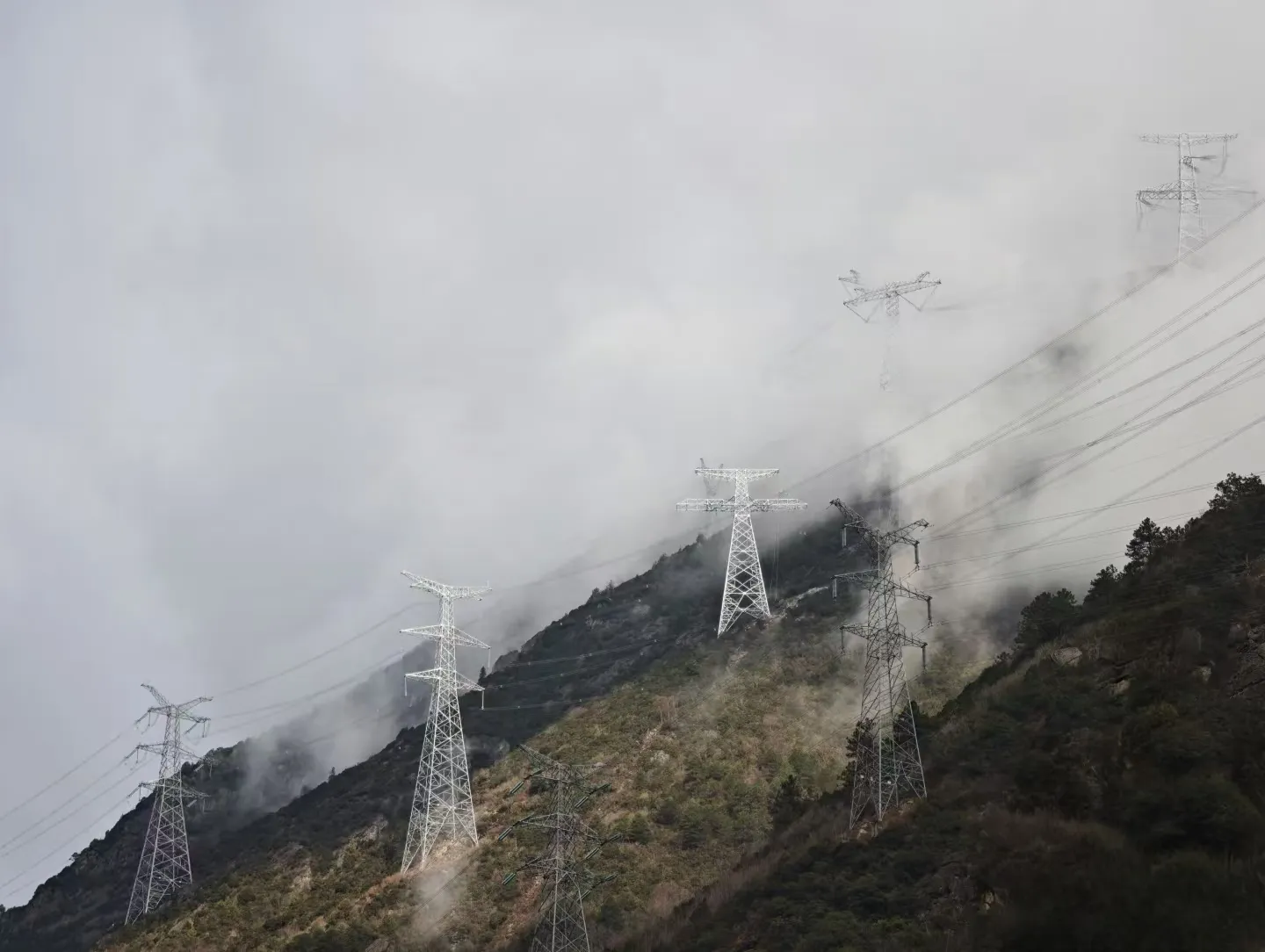
All steel parts receive anti-corrosion treatment, so the towers won't collapse even with thick ice and snow building up on them. A standard steel power tower can stay in service for over 50 years. Regular inspection and timely repair work are necessary to extend its service life further.
Erecting a power tower requires professional technical work.
The whole process covers site survey, foundation design, concrete pouring, tower assembly, wire installation and final testing. Strict quality control is required at every single step.
Routine maintenance is critical for tower safety.
Workers carry out regular inspections, surface cleaning and damaged part repairs. Vegetation around the tower base also needs trimming to avoid power faults. Power towers are mainly made of steel, concrete and composite materials.
Steel remains the most widely used material thanks to its high strength and easy processing. Composite materials cost more, yet they are lightweight and highly resistant to corrosion, so they will gain wider popularity in the future. Transmission towers match different voltage classes, including 110kV, 220kV and 500kV.
Higher voltage means less power loss during transmission, but it also demands larger tower structures and upgraded insulation parts. Looking ahead, Maotong will develop greener, smarter power towers with modular assembly designs. These upgraded towers will better meet global power demands while lowering environmental impact.