- English
- Español
- Português
- русский
- Français
- 日本語
- Deutsch
- tiếng Việt
- Italiano
- Nederlands
- ภาษาไทย
- Polski
- 한국어
- Svenska
- magyar
- Malay
- বাংলা ভাষার
- Dansk
- Suomi
- हिन्दी
- Pilipino
- Türkçe
- Gaeilge
- العربية
- Indonesia
- Norsk
- تمل
- český
- ελληνικά
- український
- Javanese
- فارسی
- தமிழ்
- తెలుగు
- नेपाली
- Burmese
- български
- ລາວ
- Latine
- Қазақша
- Euskal
- Azərbaycan
- Slovenský jazyk
- Македонски
- Lietuvos
- Eesti Keel
- Română
- Slovenski
- मराठी
- Srpski језик

Design, structure and materials of power Transmission Towers
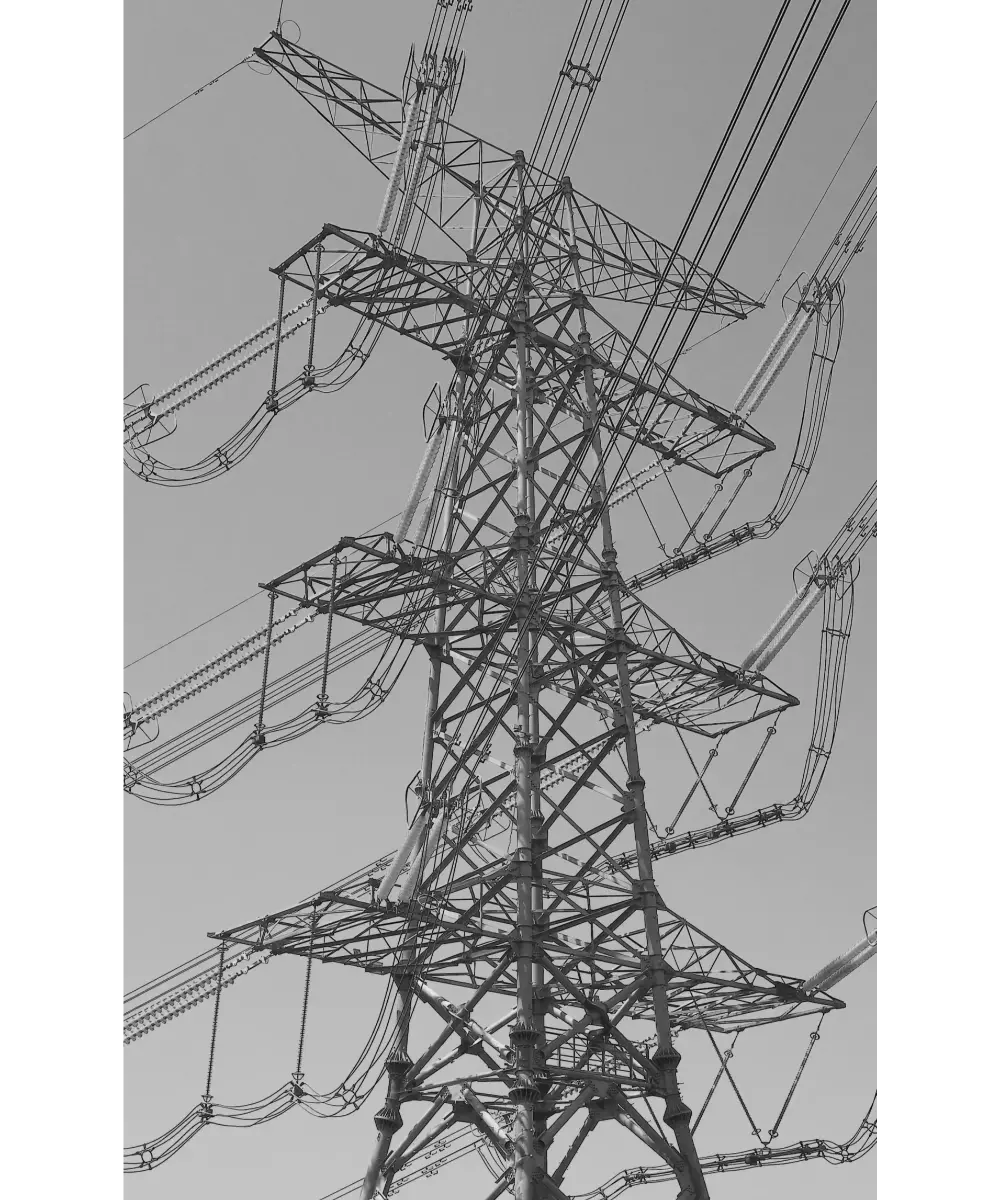
Power transmission towers feature a simple and practical design with distinct characteristics of electrical engineering and industry.
Their design concept comes from engineering pragmatism, focusing on two core needs: power transmission safety and structural stability. Redundant decorations are eliminated, and every structural detail serves key functions such as load bearing, wind resistance and insulation support.
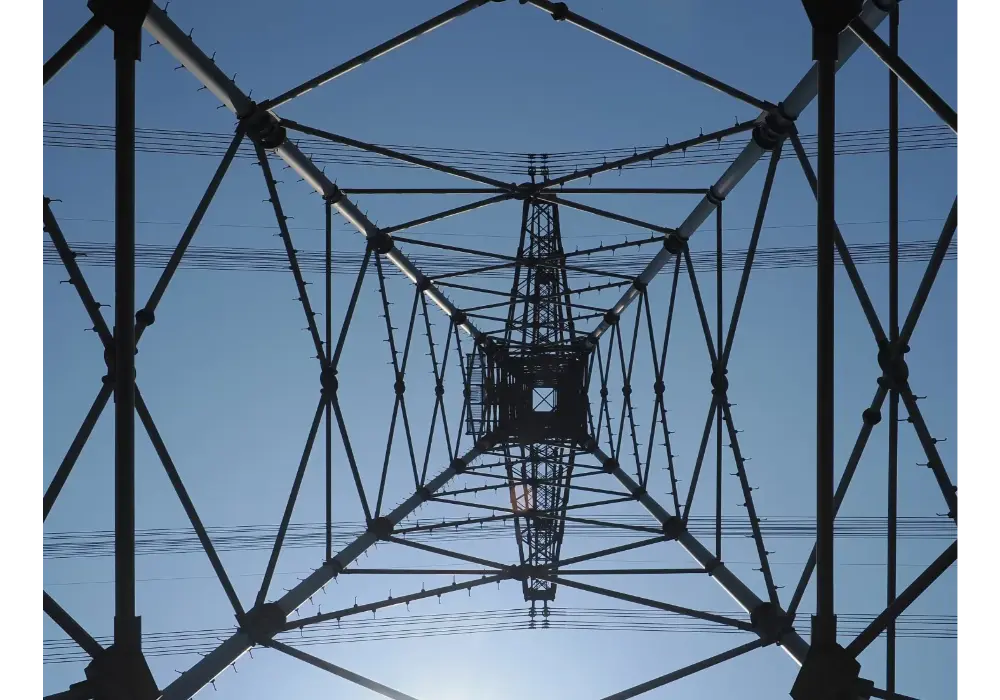
With the actual needs of power grid operation as the starting point, designers create these towers as stable, cost-effective and environment-adaptive transmission carriers. They not only ensure safe power delivery but also form a highly recognizable engineering form.
The height of power transmission towers can be flexibly adjusted according to the voltage class and span requirements of transmission lines. Most towers adopt a truss-type hollow structure, consisting of three core parts: tower foundation, tower body and top crossarm.
In terms of appearance, these towers have smooth geometric outlines. The orderly arrangement of rods in the truss structure greatly reduces wind resistance and enhances wind resistance capacity. It also reduces the tower's self-weight and saves material costs. Power transmission towers have become iconic facilities along high-voltage transmission lines.
This structural form fully reflects mechanical engineering aesthetics. It is a concrete embodiment of the development of power industry technology and directly reflects the technical standards and design concepts of modern power grid engineering.
Power transmission towers are mainly made of high-strength steel and reinforced concrete. This steel-concrete composite structure is a mature solution in the field of electrical engineering. It not only has ultra-high structural strength and excellent wind and earthquake resistance but also adapts to various complex natural environments such as plains, mountains and coastal areas. It fully meets the long-term outdoor operation needs of power transmission towers.
In addition, to resist outdoor erosion such as sun exposure, rain and acid-alkali corrosion, the surface of steel components is fully coated with galvanized layer. This process not only effectively extends the service life of the towers but also reflects the deep integration of modern materials science and electrical engineering technology.